Beginner level
No prior experience required

No prior experience required
1 week, 6 to 8 hours per week
Get guidance on your work
Share on LinkedIn
*Proof of full-time student enrollment required. Acceptable forms of ID include a letter from your university’s registrar office or an unofficial transcript. Email your documents to learnlab-help@lists.andrew.cmu.edu.
Questions shape what learners notice, how deeply they think, and what evidence instructors can gather about understanding. Yet many online courses rely on weak or misaligned questions that do not support the learning goals they are meant to assess.
In this course, you will learn how to write stronger questions for online learning by matching question types to goals, choosing better prompts, and avoiding common design flaws. The course focuses on practical improvements to quizzes, checks for understanding, and discussion prompts.

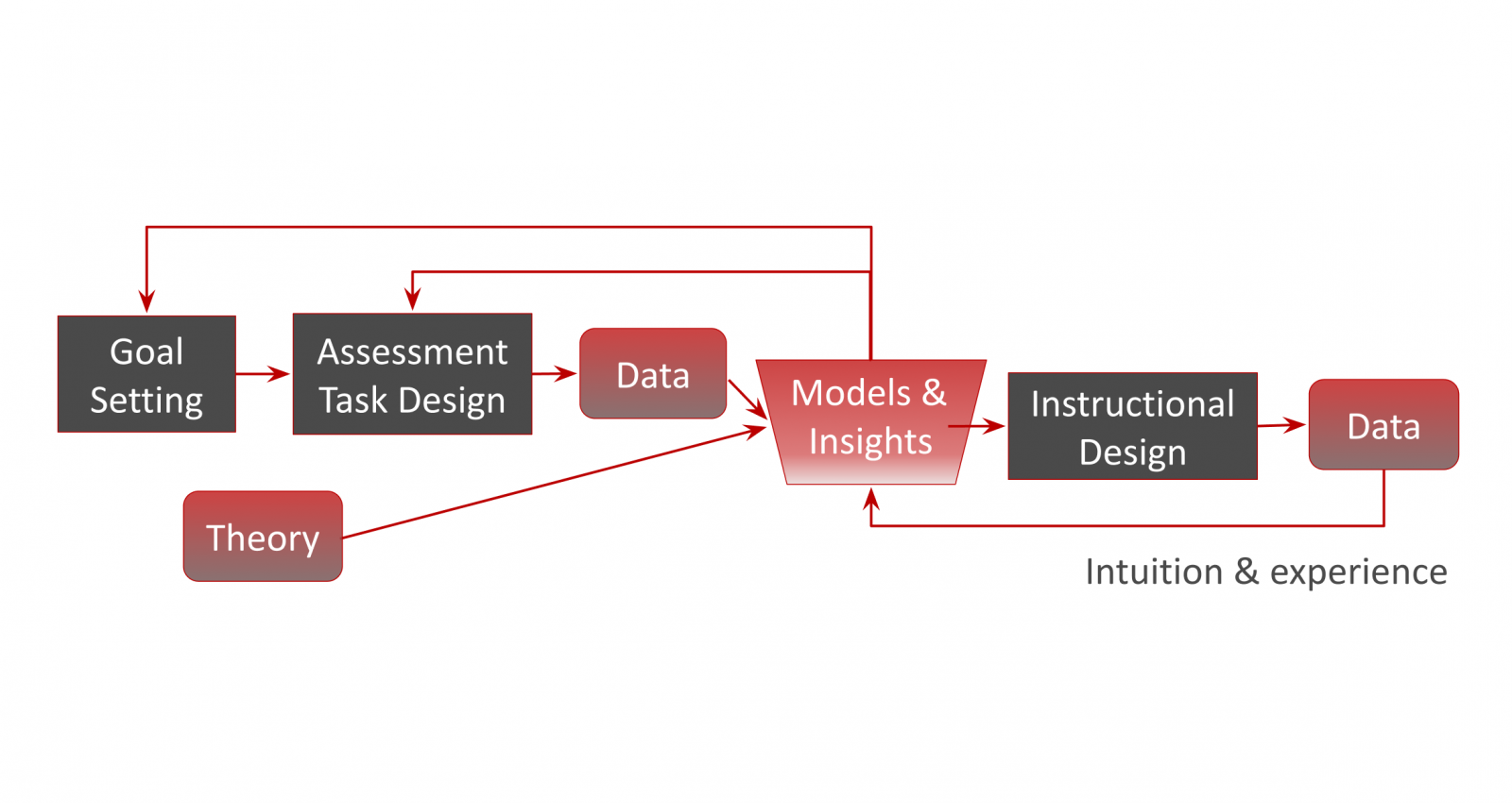
Design online learning experiences by aligning goals, assessments, and instruction with evidence-based methods and iterative improvement.
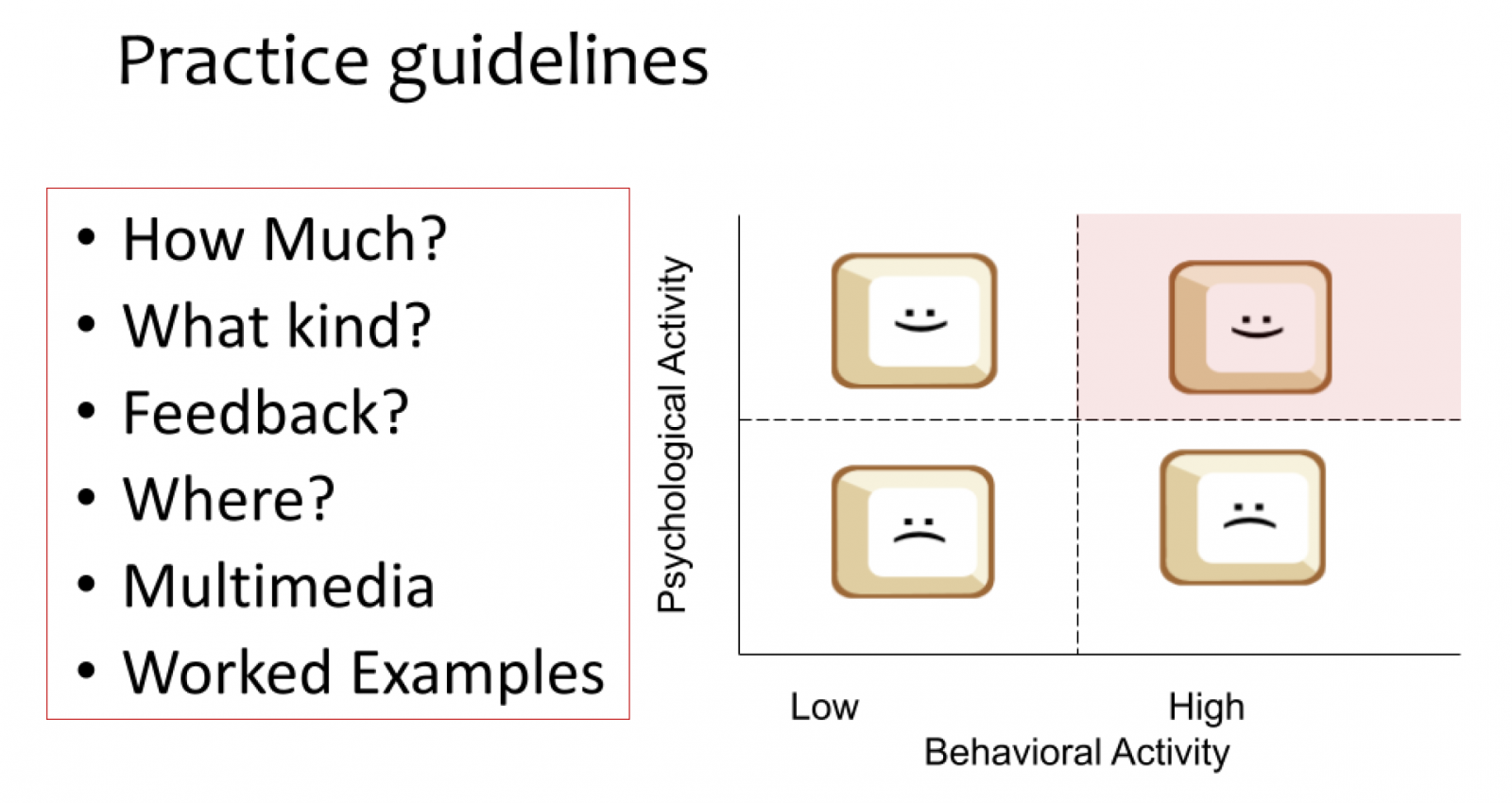
Create evidence-based active learning activities by choosing the right types of practice and feedback for different learning goals.
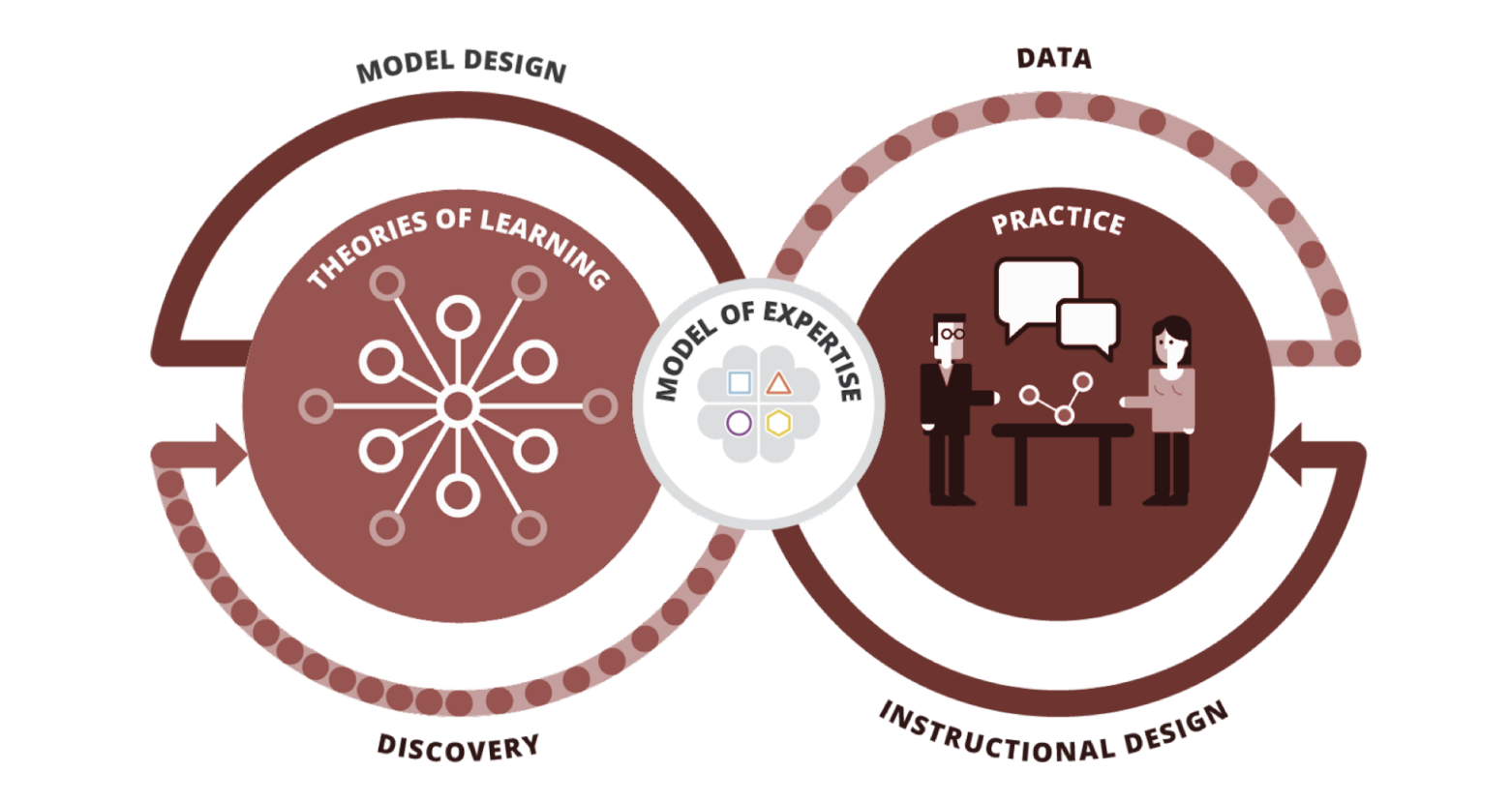
Apply learning engineering principles to design effective e-learning and use the KLI framework to match instructional strategies to the right knowledge components and learning processes.
