Core Course

Active Learning: Practice and Feedback

Beginner level

No prior experience required

Flexible schedule

2 weeks, 6 to 8 hours per week

Instructor feedback

Get guidance on your work

Verified certificate

Share on LinkedIn

*Proof of full-time student enrollment required. Acceptable forms of ID include a letter from your university’s registrar office or an unofficial transcript. Email your documents to learnlab-help@lists.andrew.cmu.edu.

What you will learn

  • Distinguish among different forms of active learning and when each is appropriate.
  • Design practice activities that align with specific learning goals and knowledge types.
  • Choose feedback strategies that strengthen learning without overwhelming learners.
  • Use worked examples, practice, and learner control more intentionally in course design.

Course description

Practice and feedback are central to effective learning, but many activities that look active do not actually help learners make progress. Strong active learning design depends on choosing the right kind of task, the right feedback, and the right level of support for the goal at hand.

In this course, you will learn how to design active learning experiences that use practice, worked examples, feedback, and learner control more intentionally. The course helps you move beyond generic engagement tactics and toward evidence-based activities that are better matched to the knowledge and skills learners need to develop.

Syllabus

Module 1: Deliberate Practice & Feedback
  • Explain how deliberate practice is different from the general idea of practice.
  • Evaluate and design based on evidence for how much practice to include.
  • Evaluate and design based on evidence for what kind of practice is best and how to distribute it.
  • Evaluate and design based on evidence for what kind of feedback is best.
  • Evaluate and design based on evidence for how to layout practice exercises.
Module 2: Leveraging Examples in E-Learning
  • Employ strategies for creating worked examples using written steps, animation or video, or recording of expert performance.
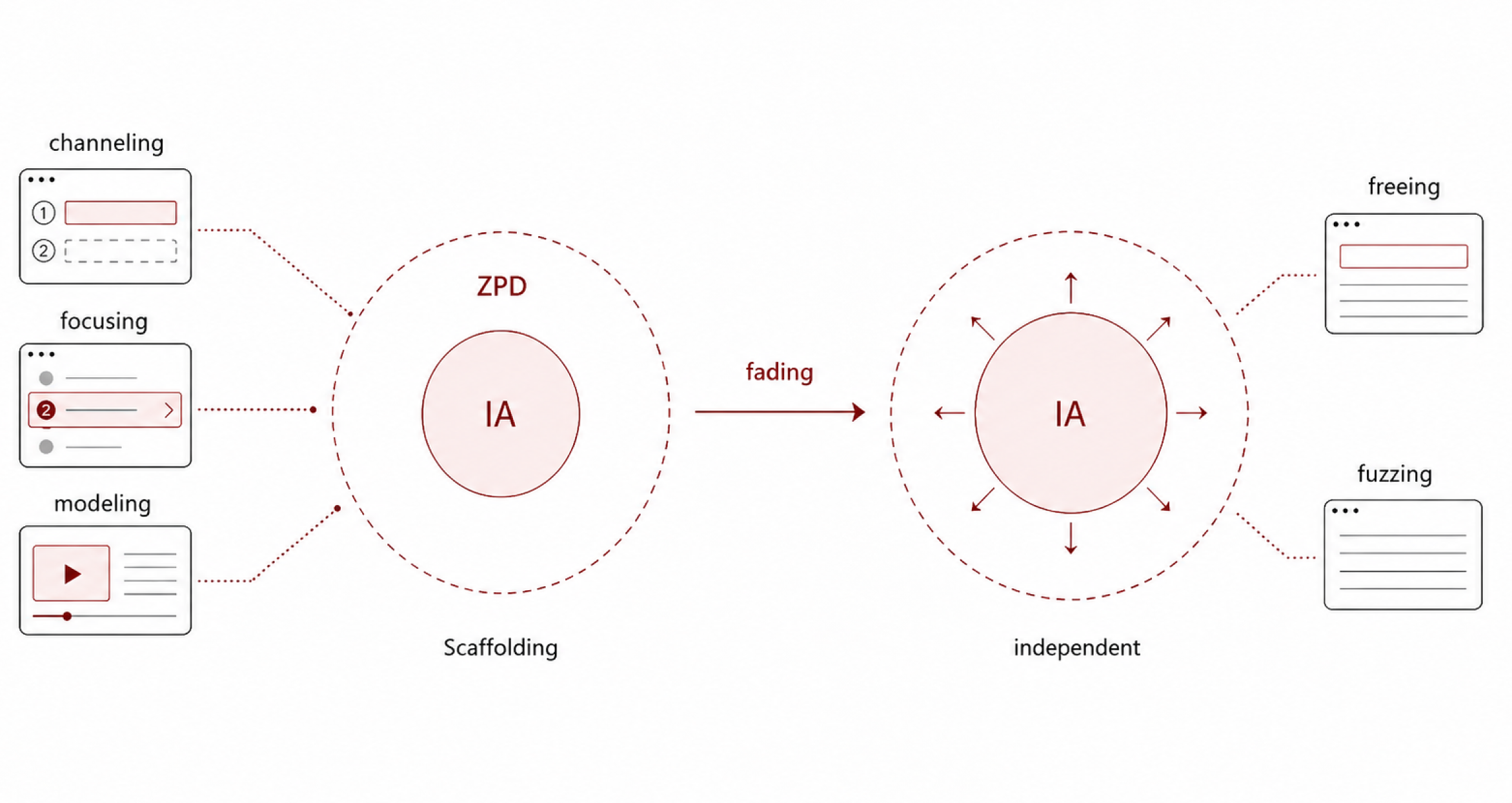
  • Design a faded worked example.
  • Extend worked examples.
  • Add self-explanation questions.
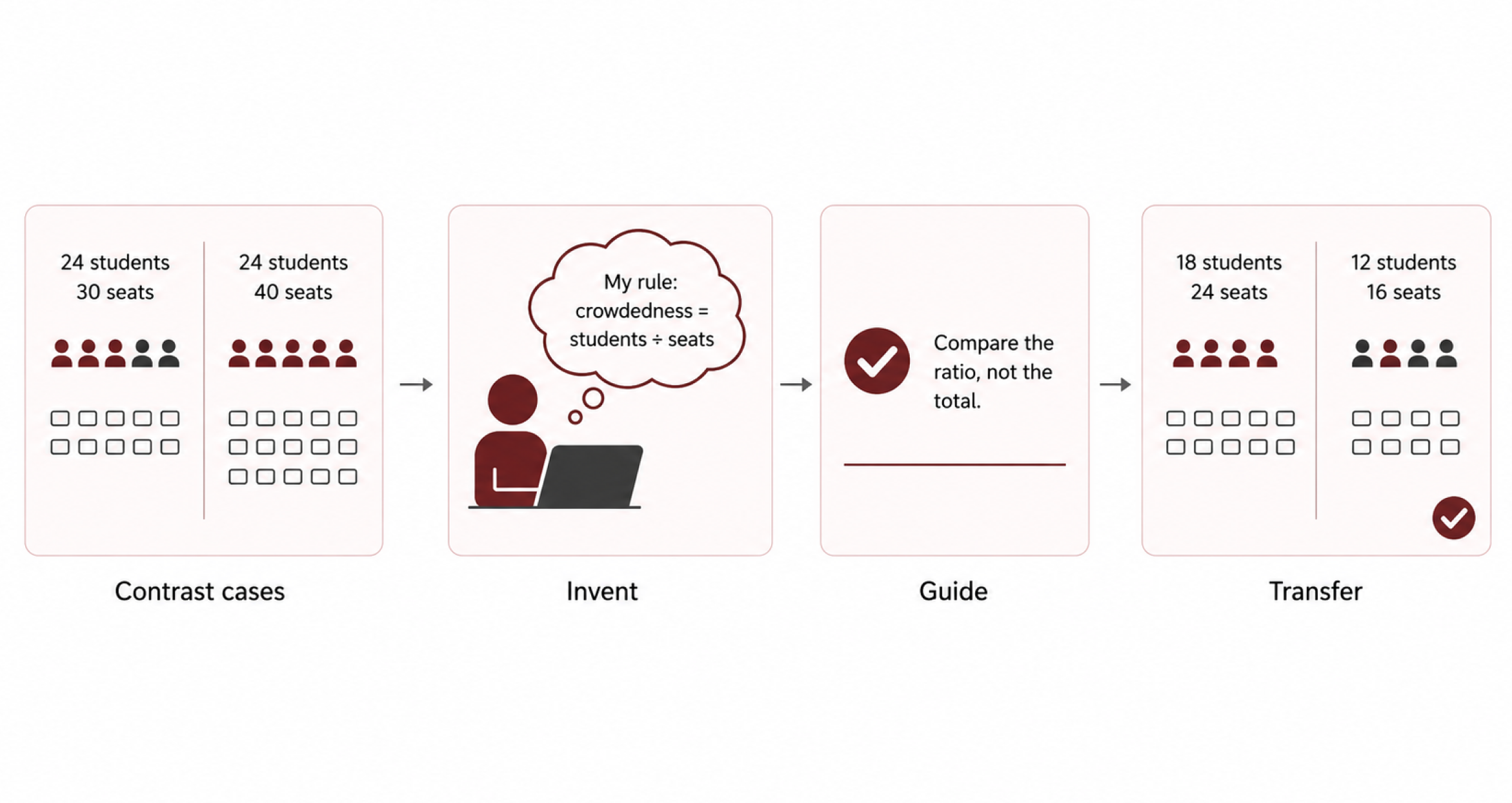
  • Use variation and comparison to design for far transfer learning.
  • Apply evidence on when and how to transition from examples to practice.
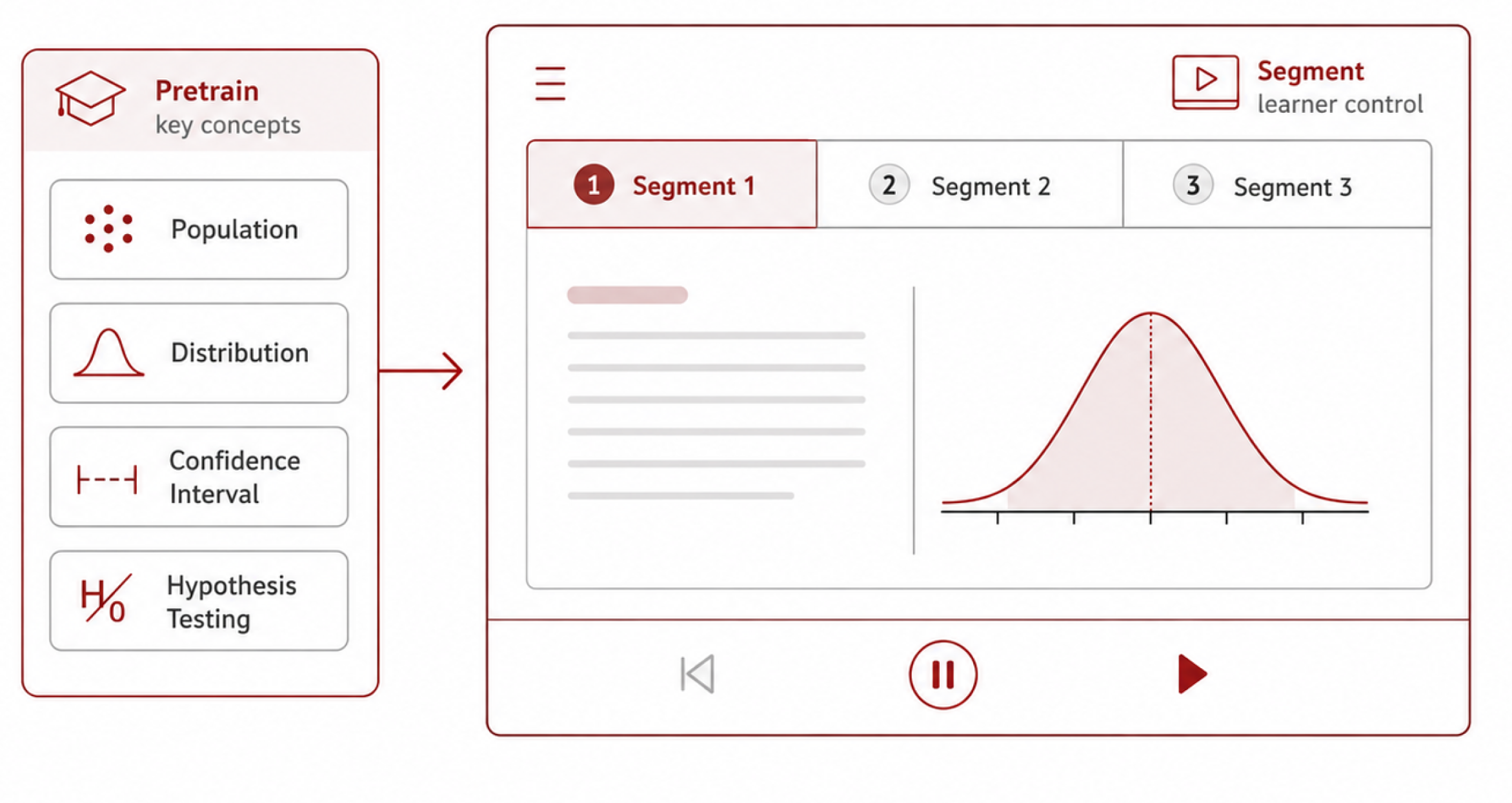
  • Distinguish forms of learner and program control.
  • Apply learner control principles: Principle 1: Provide program control of practice for novices.
  • Apply learner control principles: Principle 2: Make practice the default.
  • Apply learner control principles: Principle 3: Consider adaptive control.
  • Apply learner control principles: Principle 4: Give pacing control to learner.
  • Apply learner control principles: Principle 5: Offer navigational support.
  • Articulate reasons, pro and con, learner control.
Module 3: Course Project or Final Exam

At the end of the course, you’ll have an opportunity to do a little project where you apply principles of deliberate practice to redesign an e-learning course unit. That will provide you with a nice experience to apply the fundamentals you will learn in the modules to a larger, more authentic context. It will be graded by the instructor and you will receive personalized feedback along with a sample solution.

You will also have the option to take a final exam with 20 questions. The exam can be taken multiple times, and each attempt draws new questions randomly from a pool of questions.

You may also complete both the course project and the final exam. The higher of the two scores will count toward the certificate.

Meet the instructor

Dr. Ken Koedinger

Dr. Ken Koedinger

Professor
Carnegie Mellon University

Ken Koedinger is the Hillman University Professor of Computer Science at Carnegie Mellon University, with appointments in Human-Computer Interaction and Psychology. He holds an M.S. in Computer Science and a Ph.D. in Cognitive Psychology and has experience teaching in an urban high school. He has developed data-sharing and analytics infrastructures that support innovations in learning, including DataShop and LearnSphere, and has used them to improve learning as illustrated in his hundreds of publications. He directs LearnLab and co-founded Carnegie Learning in 1998, the first AI in Education company to bring intelligent tutoring technology into widespread use in schools. His PLUS project provides hybrid human-AI tutoring to middle school math students in schools around the country. He is a fellow of the Cognitive Science Society, the Association for Psychological Science, and the Association for Computing Machinery.