Beginner level
No prior experience required

No prior experience required
1 week, 6 to 8 hours per week
Get guidance on your work
Share on LinkedIn
*Proof of full-time student enrollment required. Acceptable forms of ID include a letter from your university’s registrar office or an unofficial transcript. Email your documents to learnlab-help@lists.andrew.cmu.edu.
Learners can contribute far more than answers. When designed well, their work can generate explanations, hints, examples, and feedback that improve the learning experience for future learners. Learnersourcing turns participation into a source of instructional value.
In this course, you will learn how to design learnersourcing activities that collect useful learner contributions and incorporate them into better educational experiences. The course focuses on what kinds of tasks produce valuable outputs, how to evaluate contribution quality, and how to use learnersourcing for continuous improvement.


Design and improve collaborative learning experiences online by using effective group structures, peer learning strategies, and cooperative learning approaches.
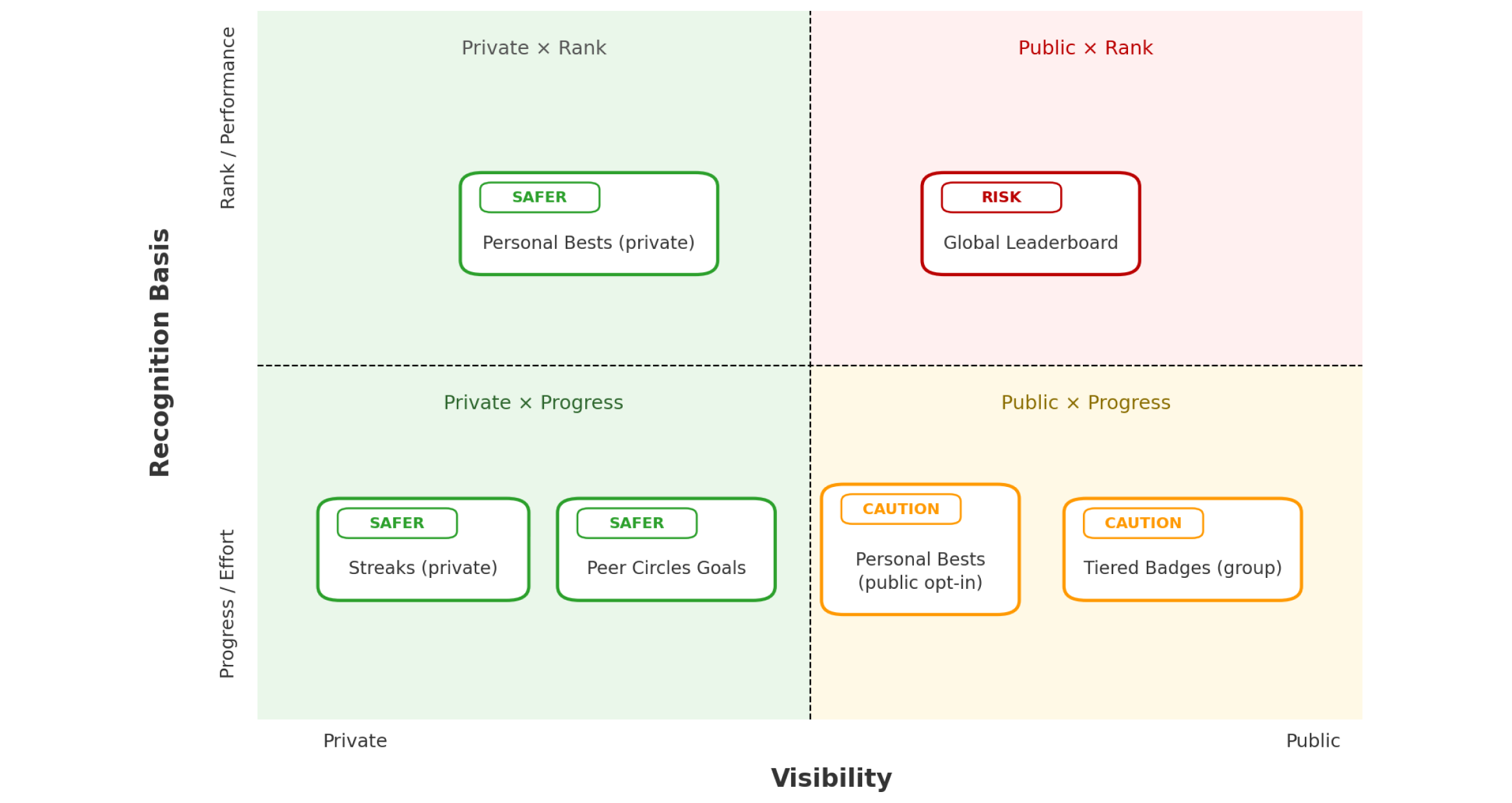
Design for lasting motivation by supporting identity, reflection, belonging, ownership, and resilience over time.
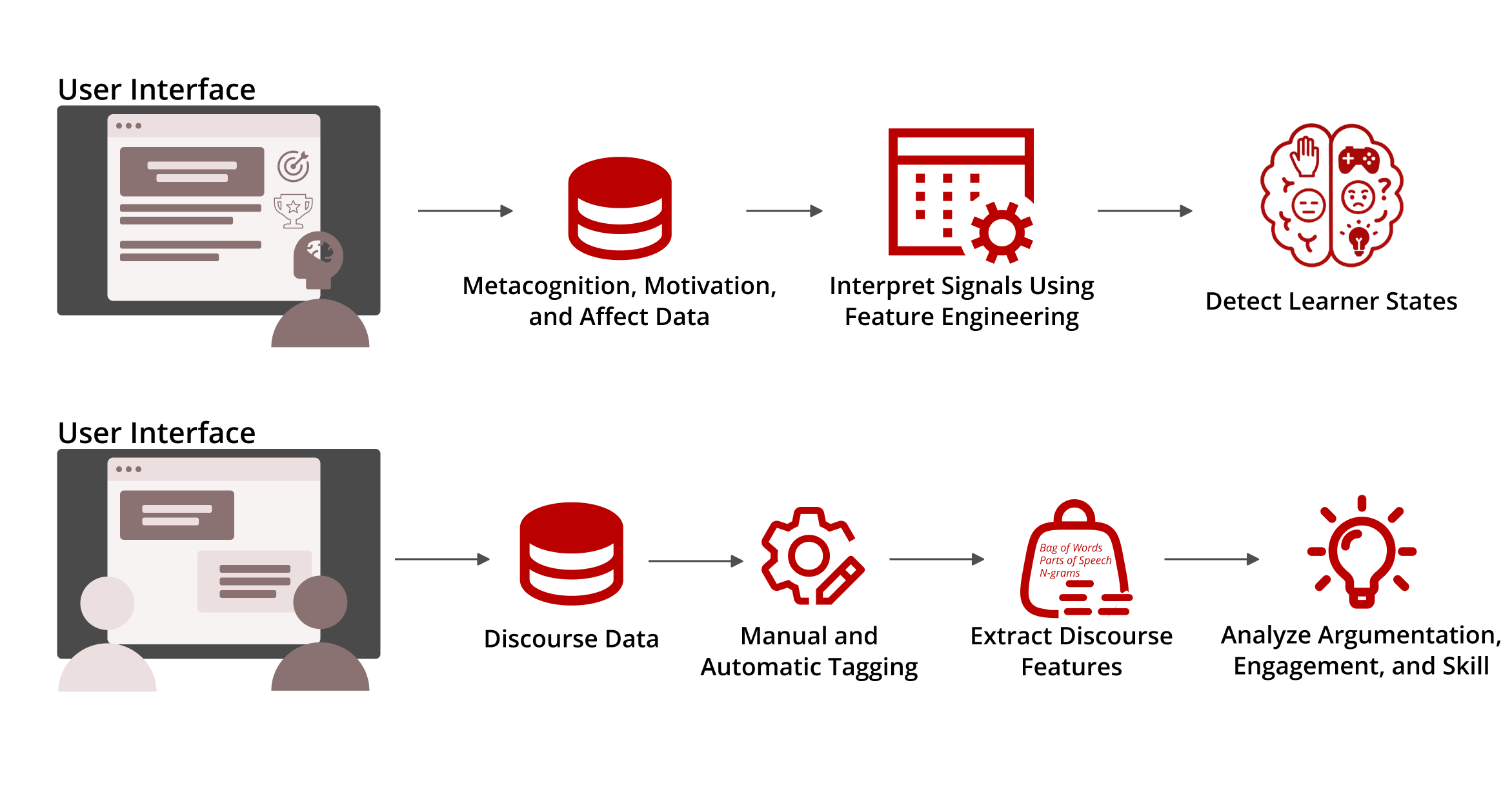
Analyze motivation, metacognition, and discourse using learning analytics techniques, feature engineering, and discourse analysis tools.
