Intermediate level
No prior experience required

No prior experience required
2 weeks, 6 to 8 hours per week
Get guidance on your work
Share on LinkedIn
*Proof of full-time student enrollment required. Acceptable forms of ID include a letter from your university’s registrar office or an unofficial transcript. Email your documents to learnlab-help@lists.andrew.cmu.edu.
Important learning signals are often embedded in how learners reflect, regulate, and communicate, not just in whether they answer correctly. Analytics for motivation, metacognition, and discourse can help teams understand these richer processes and design better support around them.
In this course, you will learn methods for analyzing learner motivation, metacognition, and discourse using learning analytics, feature engineering, and discourse analysis tools. The course is designed to help you identify meaningful signals, interpret them responsibly, and connect them to instructional or product decisions.
At the end of the course, you’ll have an opportunity to do a little project where you will have a choice to analyze discourse data. That will provide you with a nice experience to apply the fundamentals you will learn in the modules to a larger, more authentic context. It will be self-graded and you will receive a sample solution.
You will also have the option to take a final exam with 20 questions. The exam can be taken multiple times, and each attempt draws new questions randomly from a pool of questions.
You may also complete both the course project and the final exam. The higher of the two scores will count toward the certificate.


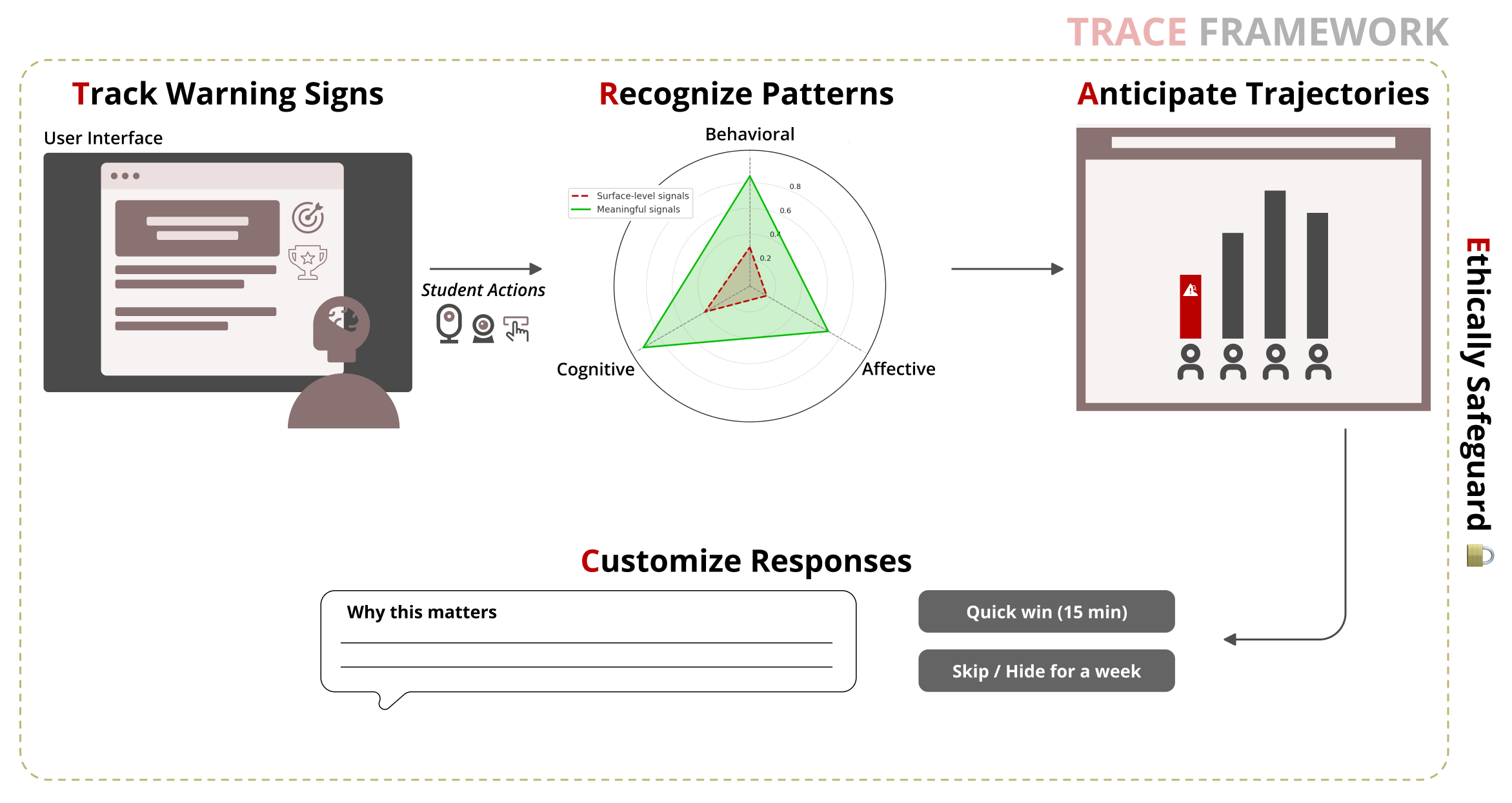
Track, interpret, and respond to motivational signals so learners stay engaged, supported, and on track.
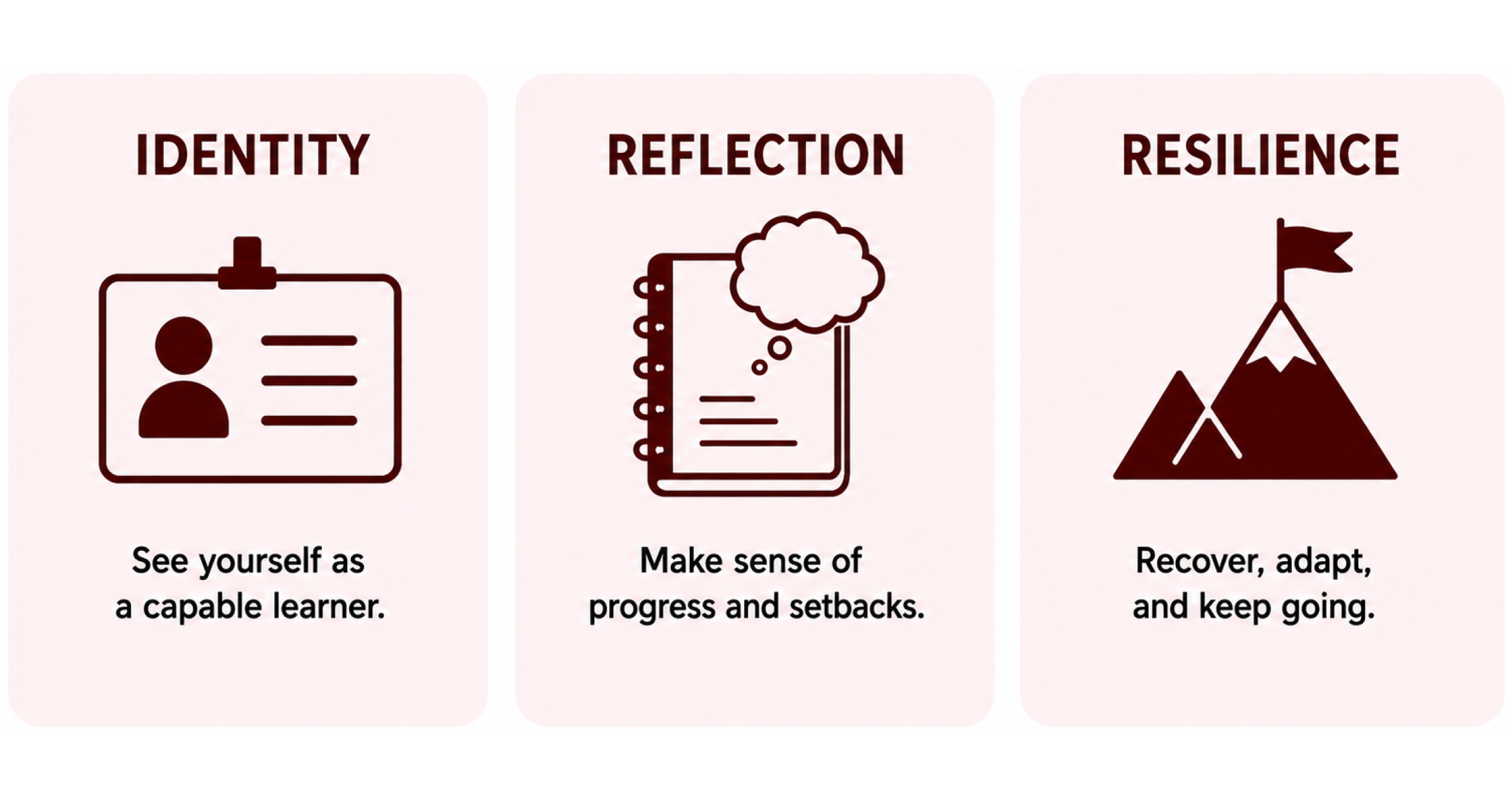
Design for lasting motivation by supporting identity, reflection, belonging, ownership, and resilience over time.
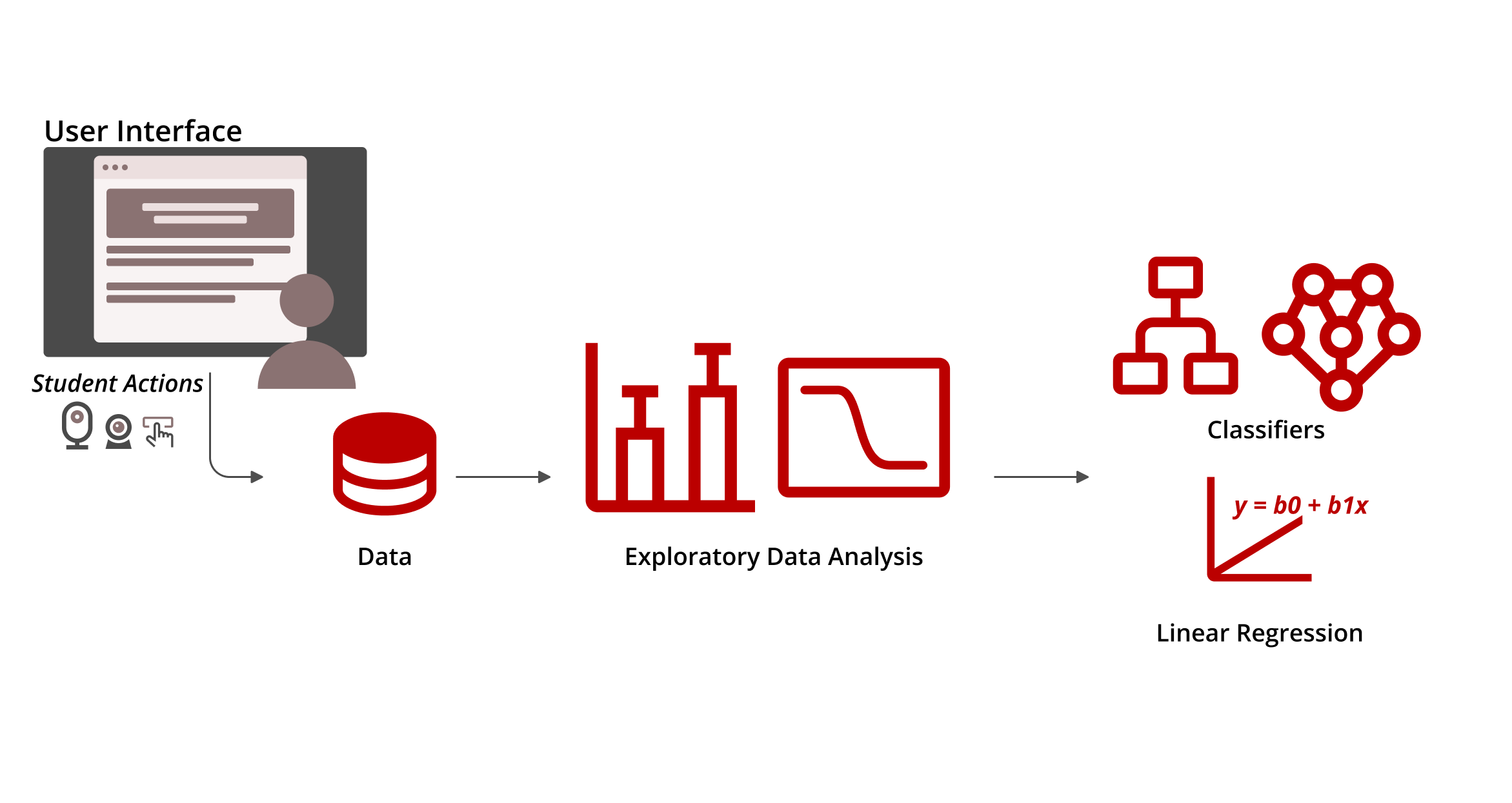
Analyze educational data, build regression and classification models, and predict student outcomes to support better learning decisions.
