Beginner level
No prior experience required

No prior experience required
1 week, 6 to 8 hours per week
Get guidance on your work
Share on LinkedIn
*Proof of full-time student enrollment required. Acceptable forms of ID include a letter from your university’s registrar office or an unofficial transcript. Email your documents to learnlab-help@lists.andrew.cmu.edu.
Discovery can be powerful for learning, but unguided exploration often leaves learners confused or stuck. Guided discovery works when learners have enough structure, feedback, and support to explore productively while still doing meaningful intellectual work themselves.
In this course, you will learn how to design guided discovery experiences that balance exploration with instructional support. The course focuses on structuring tasks, sequencing feedback, and creating activities that help learners reason, test ideas, and learn through well-supported inquiry.

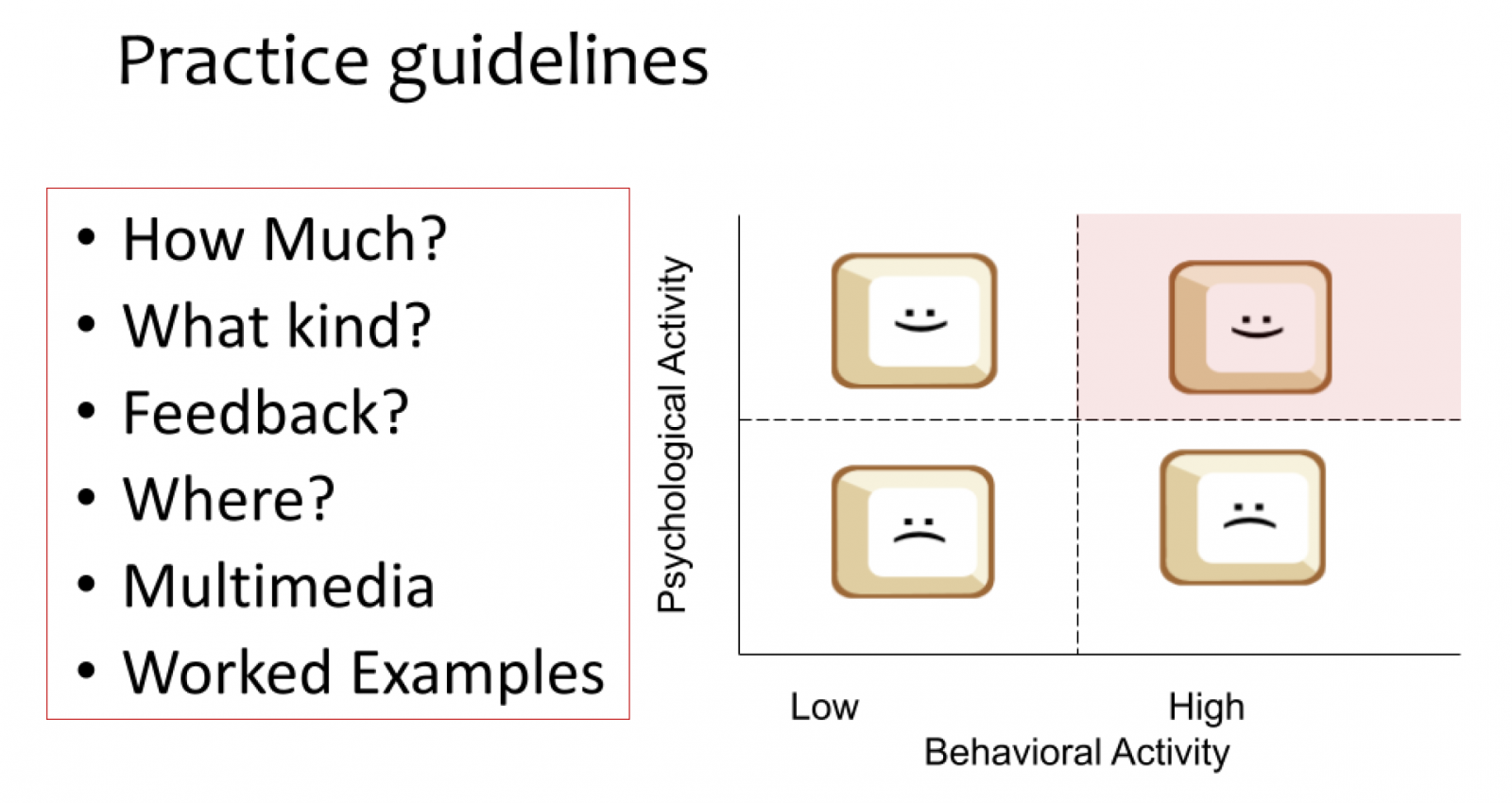
Create evidence-based active learning activities by choosing the right types of practice and feedback for different learning goals.
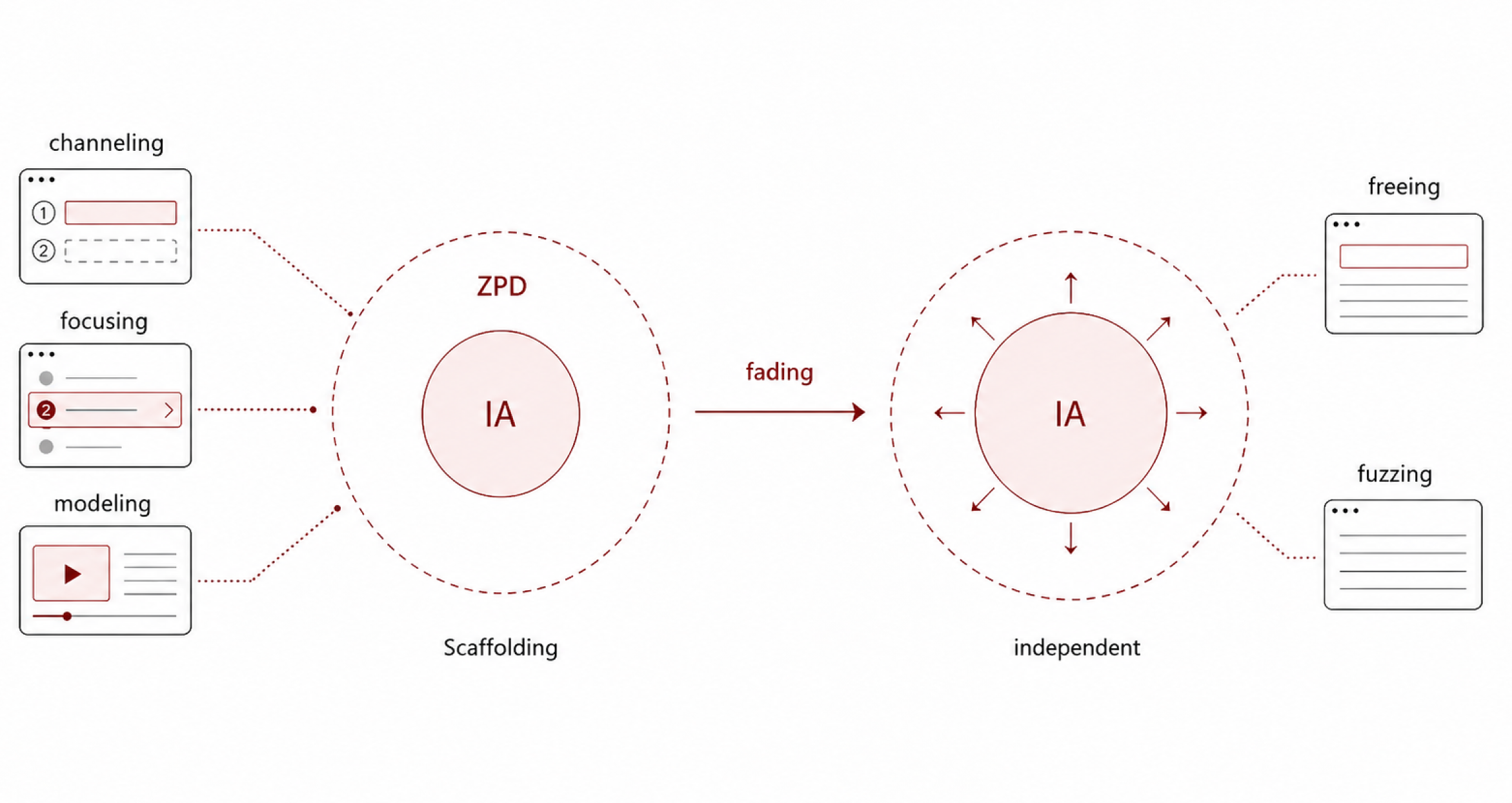
Create learning supports that guide learners effectively, then fade those supports as learners build independence.
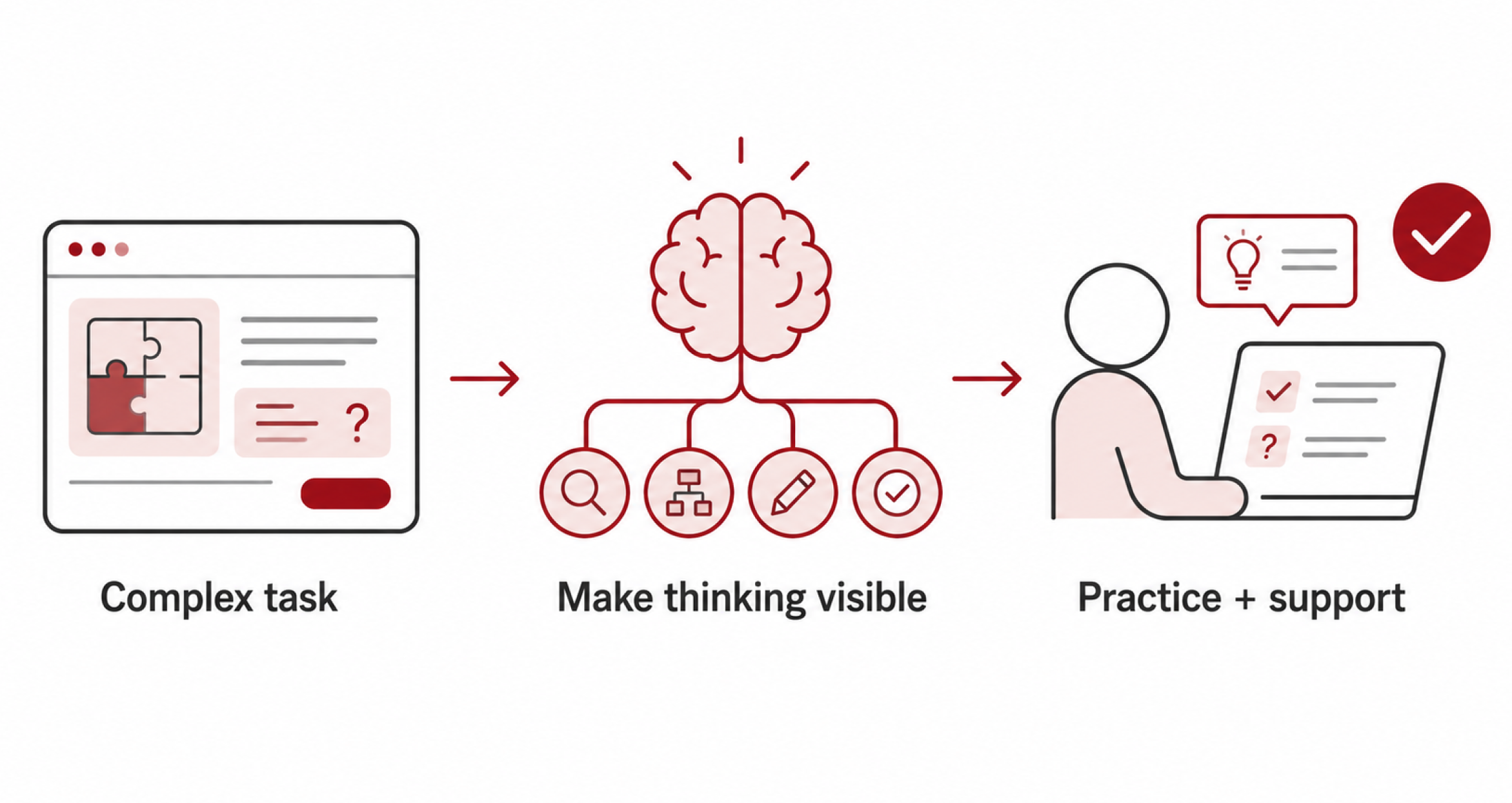
Design e-learning experiences that build problem-solving, critical thinking, creativity, and metacognitive skills.
