Short Course

Universal Design for Inclusive Course Design

Beginner level

No prior experience required

Flexible schedule

1 week, 6 to 8 hours per week

Instructor feedback

Get guidance on your work

Verified certificate

Share on LinkedIn

*Proof of full-time student enrollment required. Acceptable forms of ID include a letter from your university’s registrar office or an unofficial transcript. Email your documents to learnlab-help@lists.andrew.cmu.edu.

What you will learn

  • Explain core principles of universal design for learning and inclusive course design.
  • Identify barriers in activities, tools, and assessments that limit participation.
  • Redesign learning experiences to improve accessibility, flexibility, and inclusion.
  • Use universal design principles proactively rather than retrofitting support later.

Course description

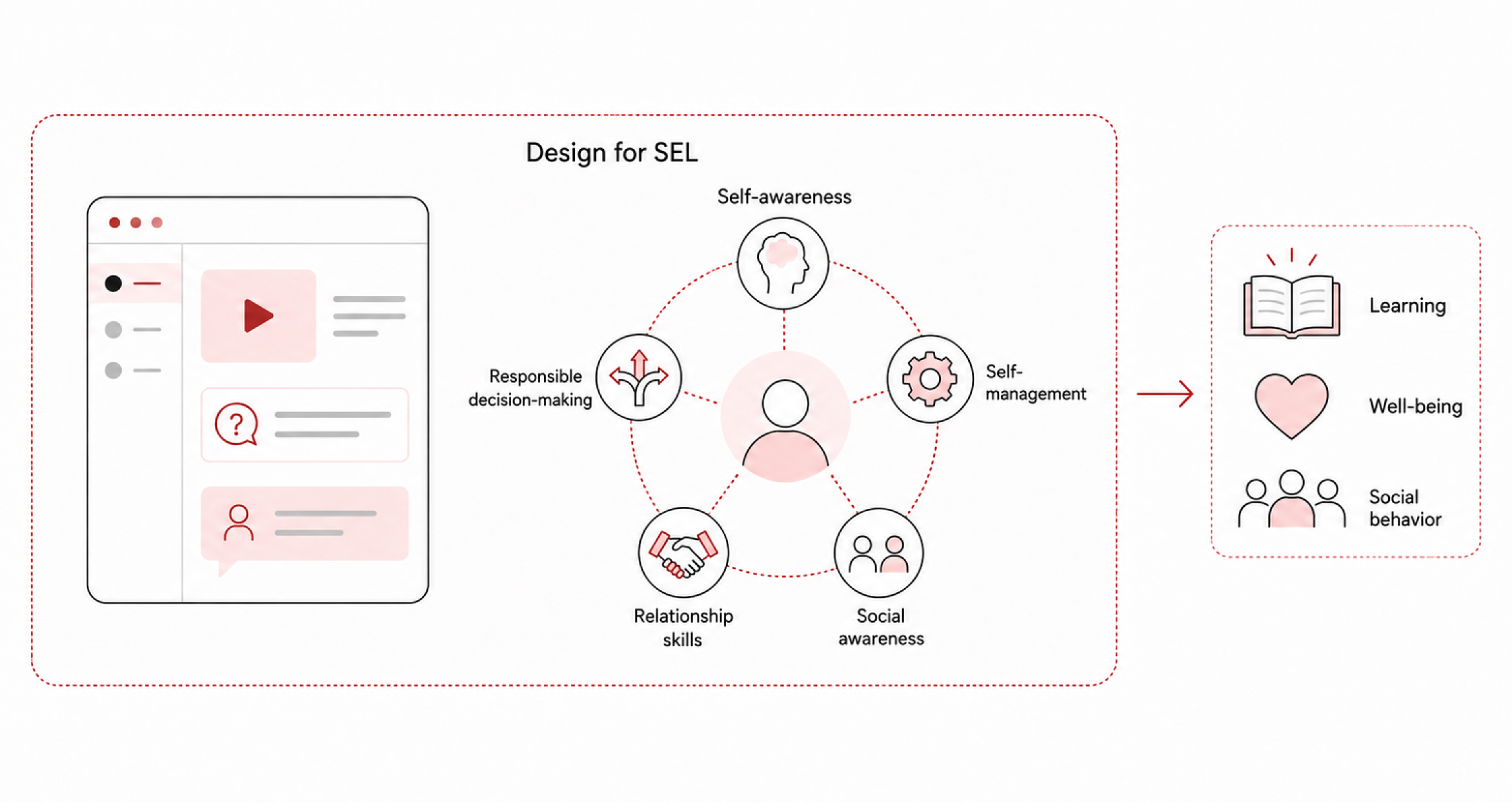
Inclusive course design improves learning not only for learners with identified needs but for everyone who benefits from clearer access, flexibility, and thoughtful support. Universal design offers a practical framework for making learning experiences more usable and equitable from the start.

In this course, you will learn how to apply universal design principles to course activities, tools, and assessments. You will examine how to reduce barriers, broaden participation, and build learning experiences that are more accessible, flexible, and inclusive.

Syllabus

Module 1: Universal Design of Learning (UDL)
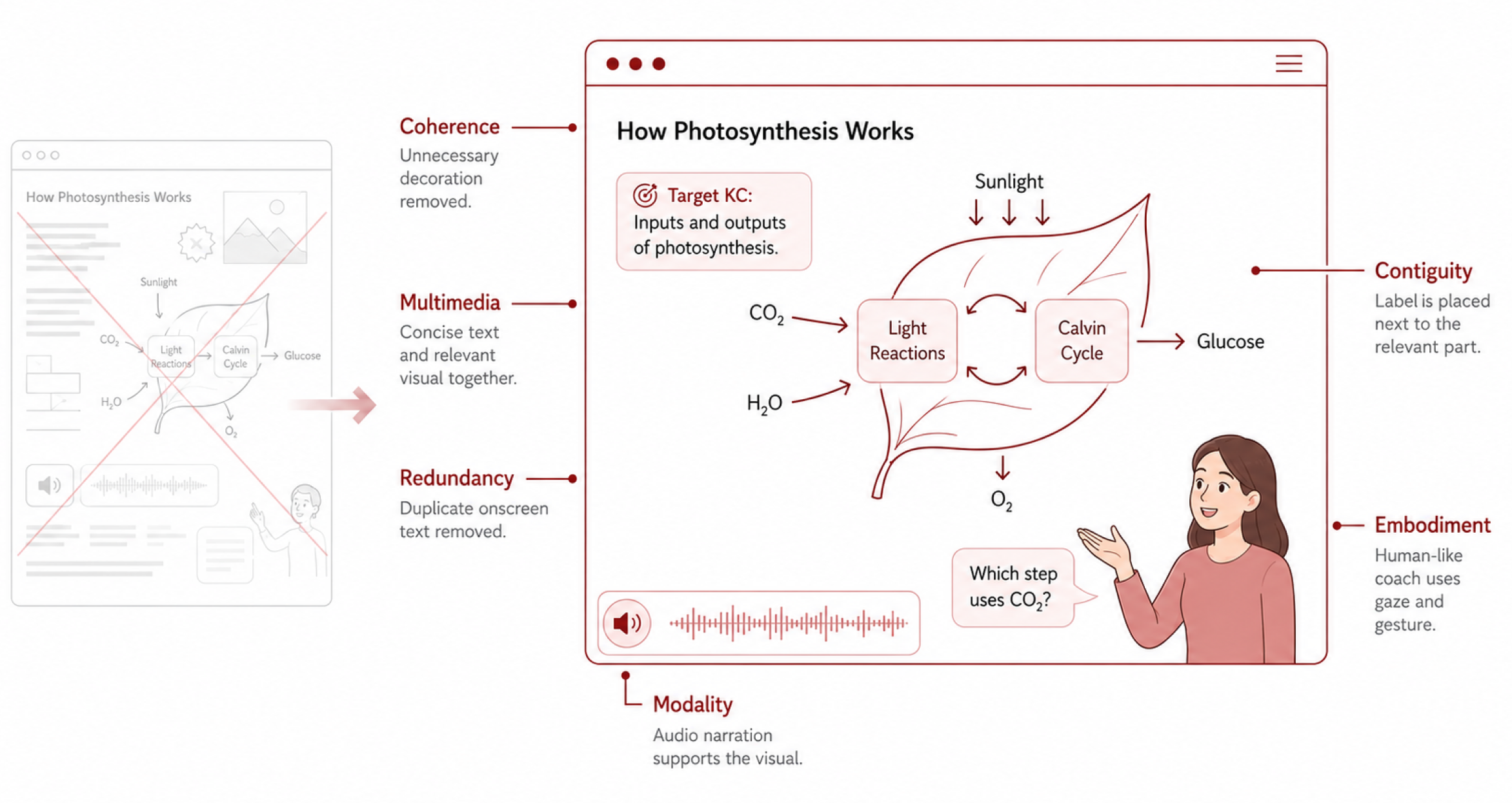
  • Given a learning design scenario, apply both the universal design process steps and principles to create an accessible learning experience.
  • Given an example scenario and tool, identify existing features of that tool that successfully implement principles of universal design.
  • Given an example scenario and tool, make recommendations that could improve implementation of principles of universal design.

Meet the instructor

Dr. Steven Moore

Dr. Steven Moore

Assistant Professor
George Mason University

Steven Moore is an Assistant Professor in the Department of Information Sciences and Technology at George Mason University. He studies how to design educational technologies that improve student learning and how people use AI to learn. Drawing on learning science, human-computer interaction, and applied natural language processing, he builds and evaluates AI-enhanced courseware and assessment tools. His work advances learnersourcing, crowdsourcing, and human-AI collaboration for content creation and feedback at scale. Recently, he has focused on using large language models to support instructional design by applying structured rubrics consistently across varied content types. His academic research is informed by extensive industry experience and consulting with universities and school districts.